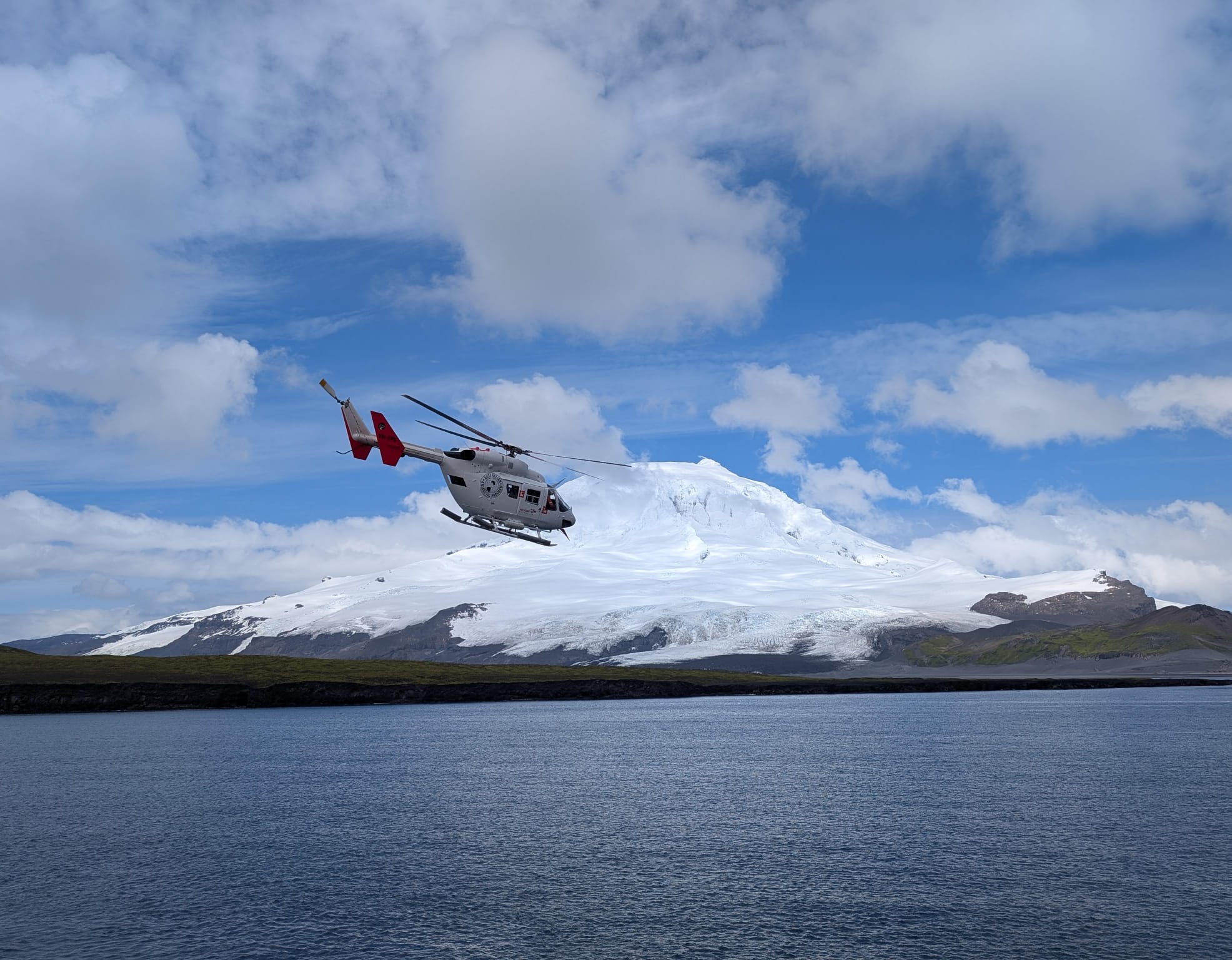
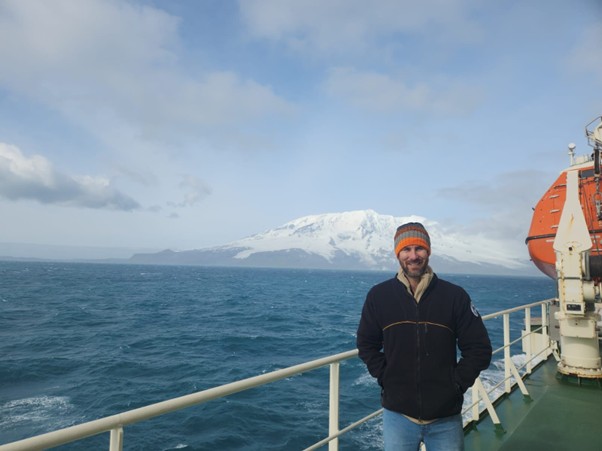
GCS Lab member, Darren McPhee, has recently returned from a once in a lifetime research expedition to the World Heritage-listed Heard Island and McDonald Islands (HIMI), As part of the Australian Research Council special research initiative, ‘Securing Antarctica’s Environmental Future’ (SAEF), Darren had the rare opportunity to be part of a multidisciplinary team undertaking research across some of the most remote ecosystems on Earth. For Darren, stepping onto Heard Island was both professionally significant and personally unforgettable.
“After spending most of 2025 planning, researching and looking at historic imagery of Heard Island, it was such a surreal experience finally arriving and seeing it for myself. The remoteness, the everchanging weather and unbelievable landscape just gave me such an appreciation for the wildlife and vegetation that’s able to thrive in such conditions.”
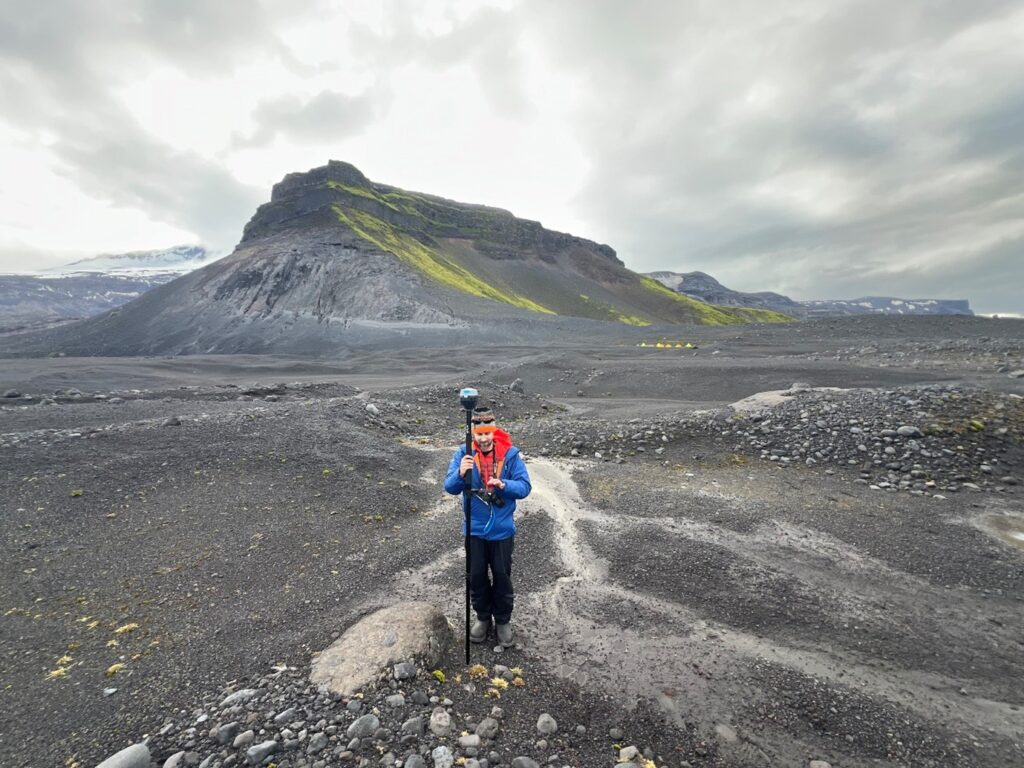
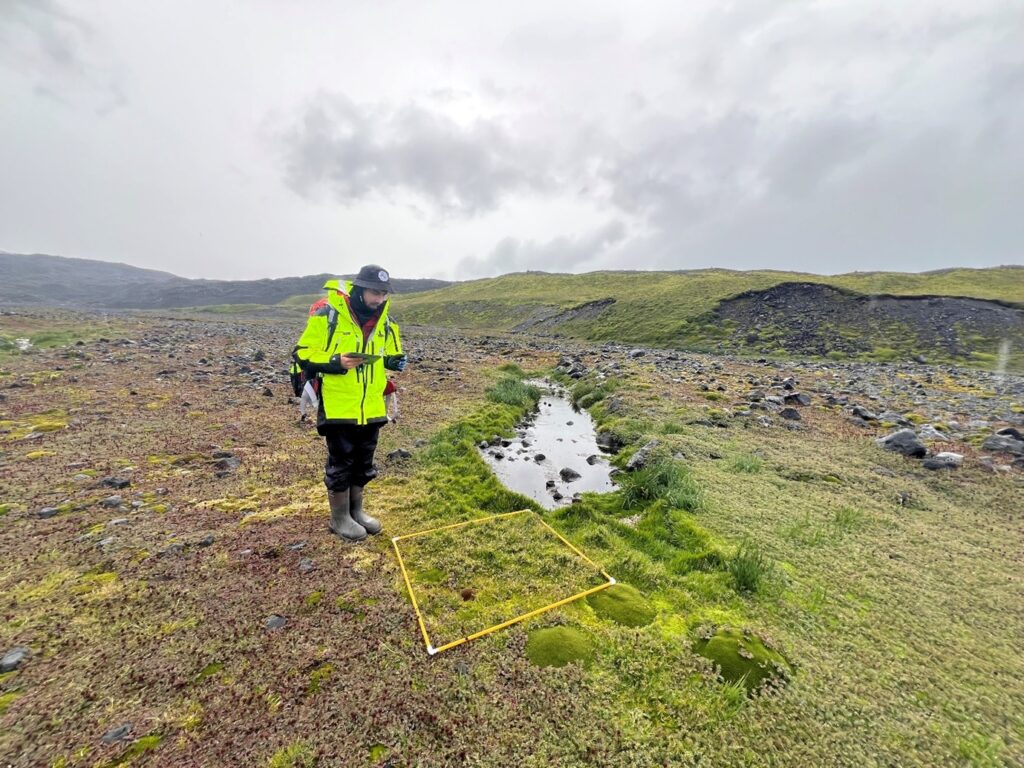
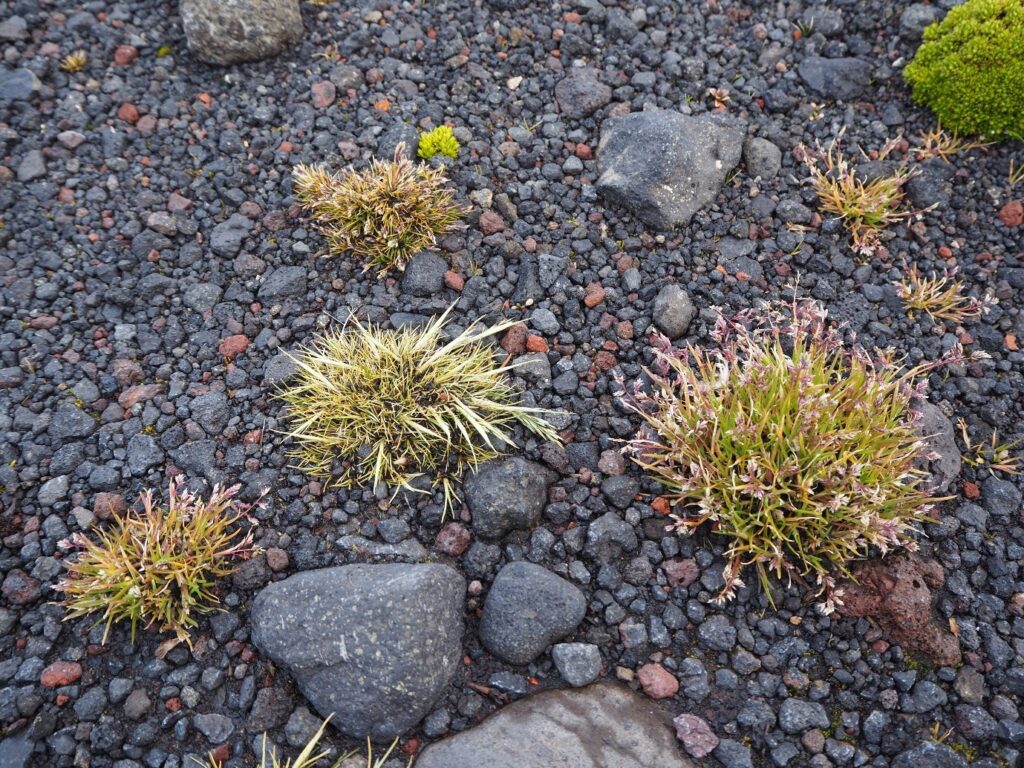
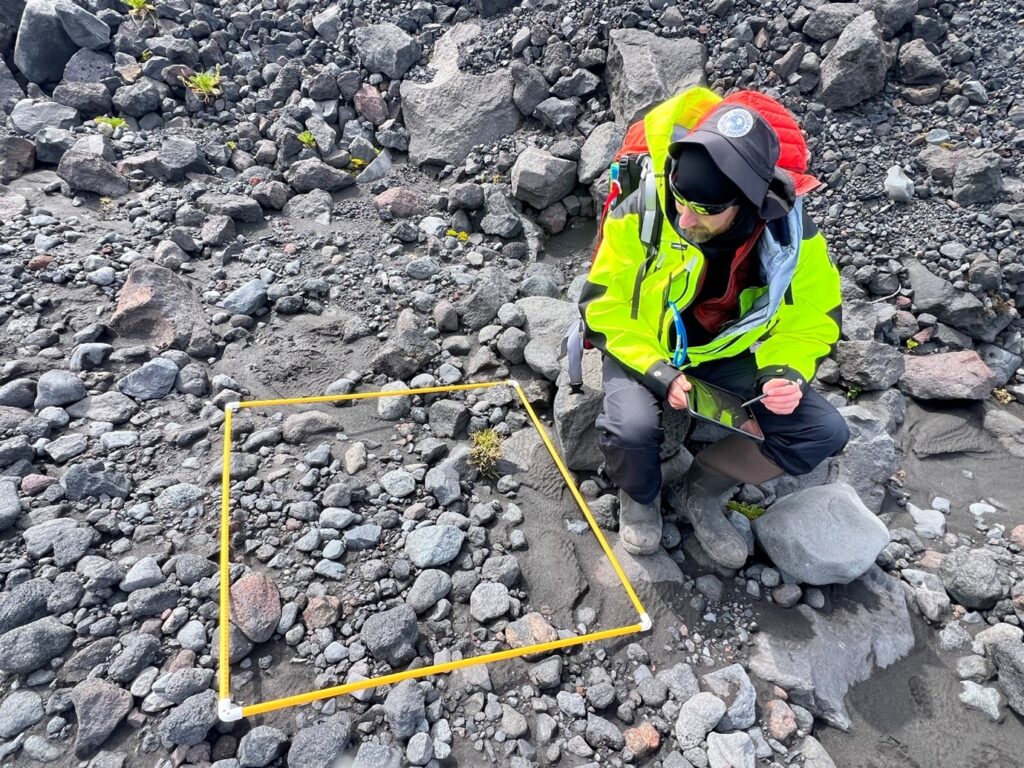
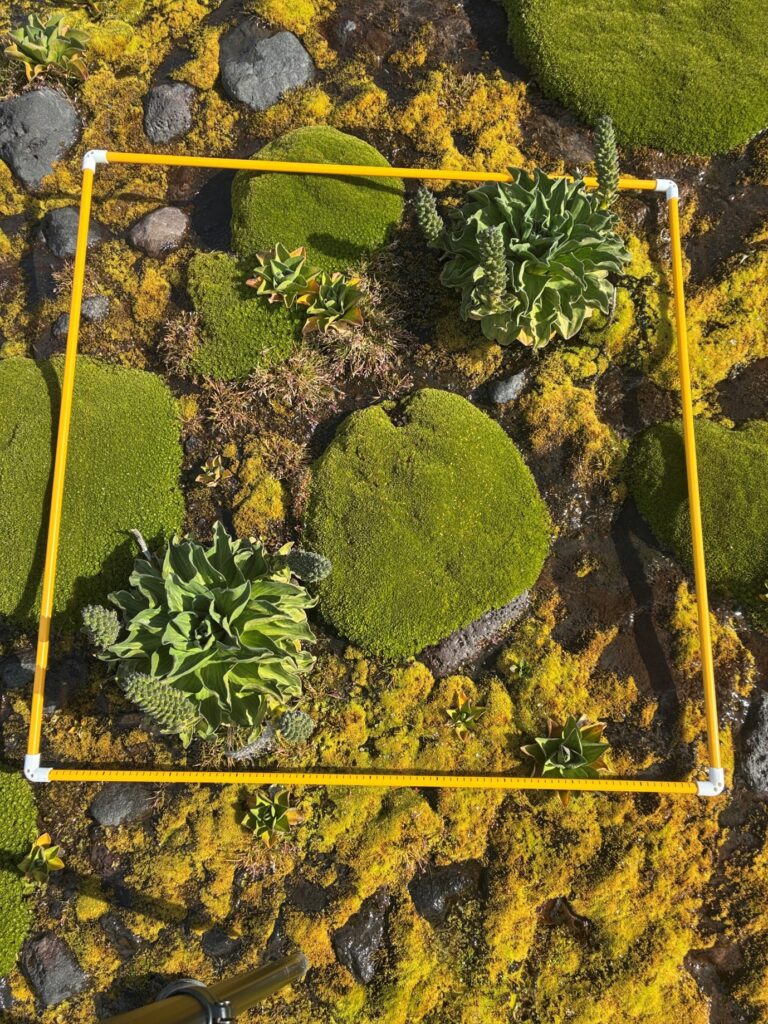
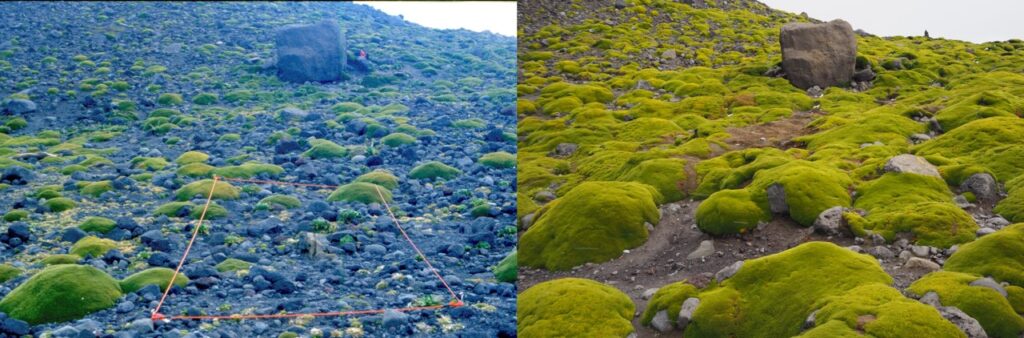
As a terrestrial ecologist, Darren’s primary focus during the expedition was to investigate the spread of the only known alien vascular plant species on the island, Poa annua. This work enables comparisons between present-day field observations and historical records, including surveys from 2000, 2004 and earlier documentation dating back to 1987.
“Poa annua is one of the most successful alien plant species in the sub-Antarctic, having established itself on practically all Southern Ocean islands. It was first discovered in 1987 on Heard Island and unfortunately since then has been increasing in its range. Understanding just how far it has spread compared to previous surveys and the rate this is occurring is incredibly important from a management perspective. It allows us to understand how native vegetation might be impacted and give us insight into where Poa annua might expect to spread in the future.”
Darren’s expedition directly informs his PhD research, which investigates the conservation, biodiversity values, and threats to the sub-Antarctic region. His research applies priority threat management tools, structured decision-making and ecological theory to assess the effectiveness of management strategies across sub-Antarctic islands, identifying gaps and opportunities for improved conservation outcomes.
As part of the expedition, Darren also visited Casey Station in Antarctica, where he assisted with the resupply of the station, which underpins scientific research across the region.
“Having the opportunity to see Antarctica and contribute to the resupply of one of Australia’s Antarctic research stations was an unforgettable experience. I left with a far greater appreciation of just how much work is required to maintain these stations and to support research in Antarctica.”
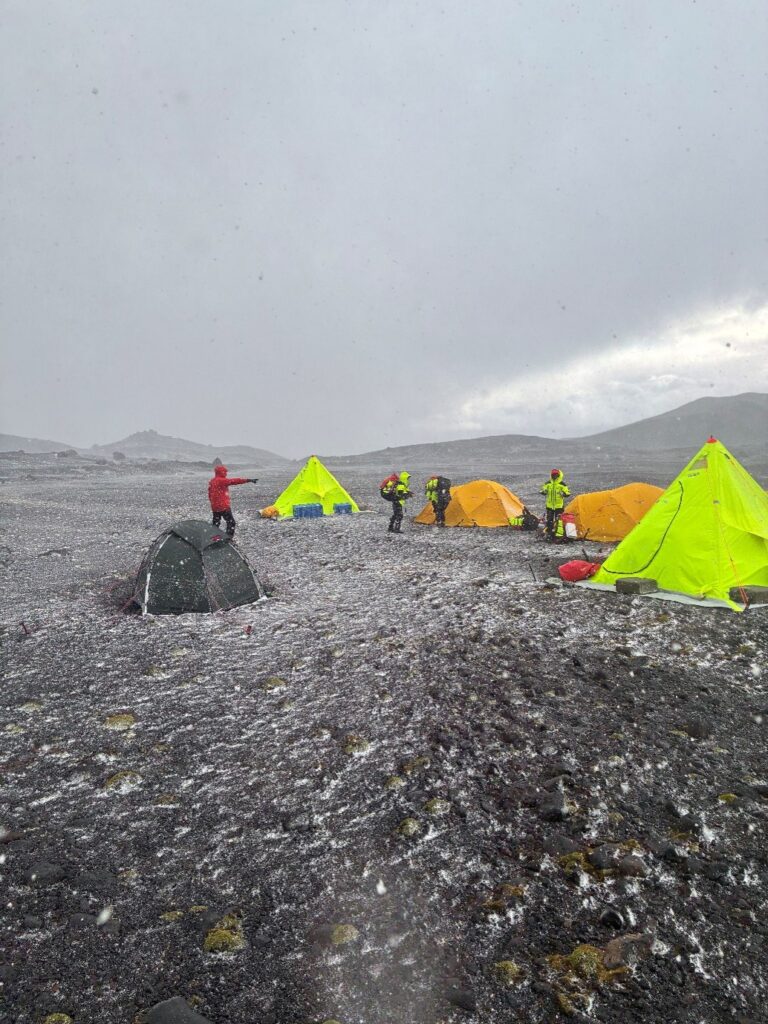
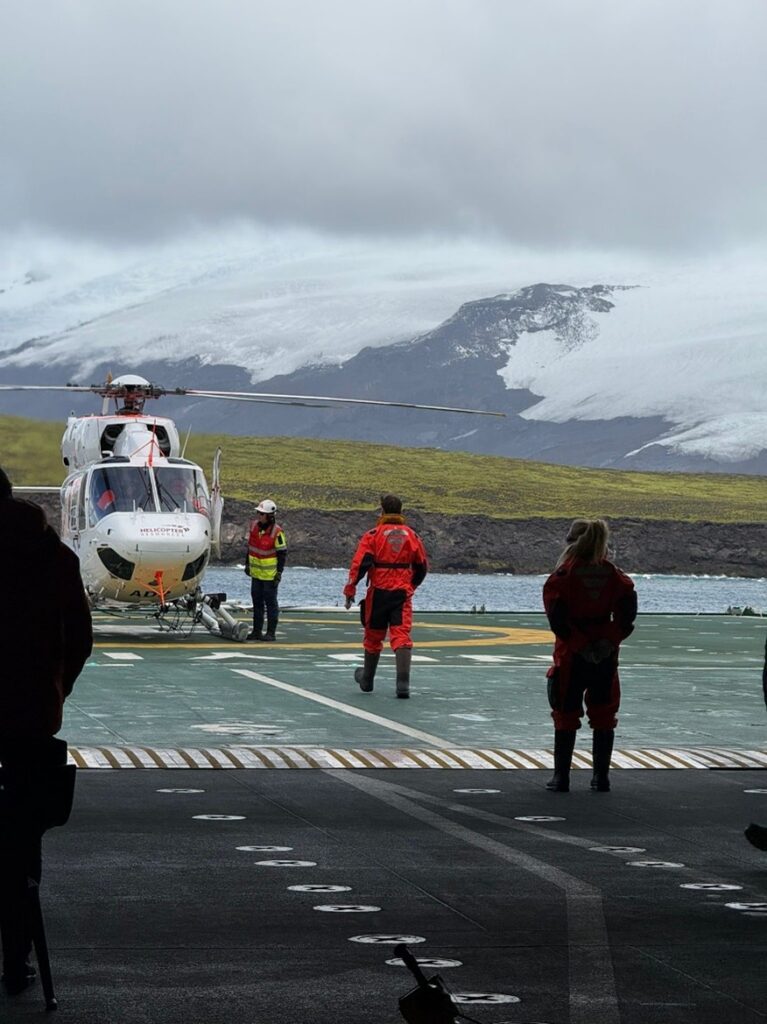
As Darren continues his PhD, the experiences gained from this expedition will contribute to a clearer understanding of the threats facing sub-Antarctic islands and how science can guide effective, forward-looking conservation strategies. Special thanks to the Australian Antarctic Division (AAS 4628) and the Securing Antarctica’s Environmental Future (SAEF) program for funding this fieldwork.
Leave a Reply