Shu Chen is a final-year PhD student at the GCS Lab whose research investigates how strategic communication can strengthen private land conservation in Australia. A key insight from her PhD is that while landholders are central to conservation success, long-term outcomes also depend on broader public support. Public perceptions shape conservation policy, funding priorities, and political will—making effective communication essential to sustaining conservation on private lands. Moving beyond conventional approaches to conservation messaging, Shu has been exploring how storytelling, sonic exploration, creative arts, and immersive experiences might attune audiences to multispecies presences and deepen their connections to nature.
Can creative forms of communication foster care across species boundaries, and in doing so, help prioritise conservation policies such as private land conservation?
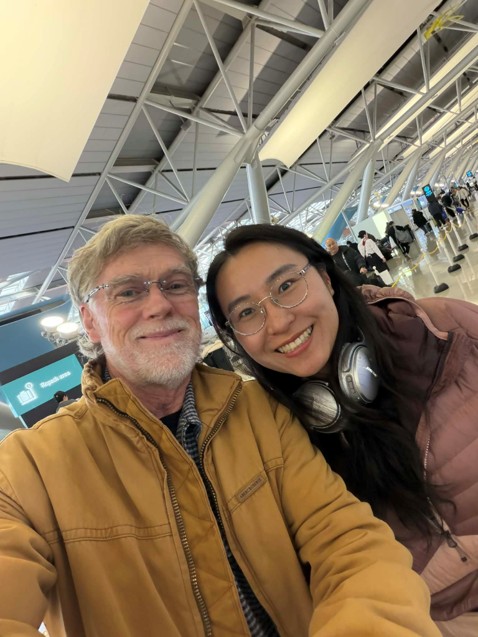
With these questions in mind, Shu was awarded the UQ Joan Allsop Travel Scholarship and undertook a week-long academic visit to the Sustainability Institute at Wakayama University, Japan, in January 2026.
The Kumano Kodo: Walking a World Heritage Pilgrimage
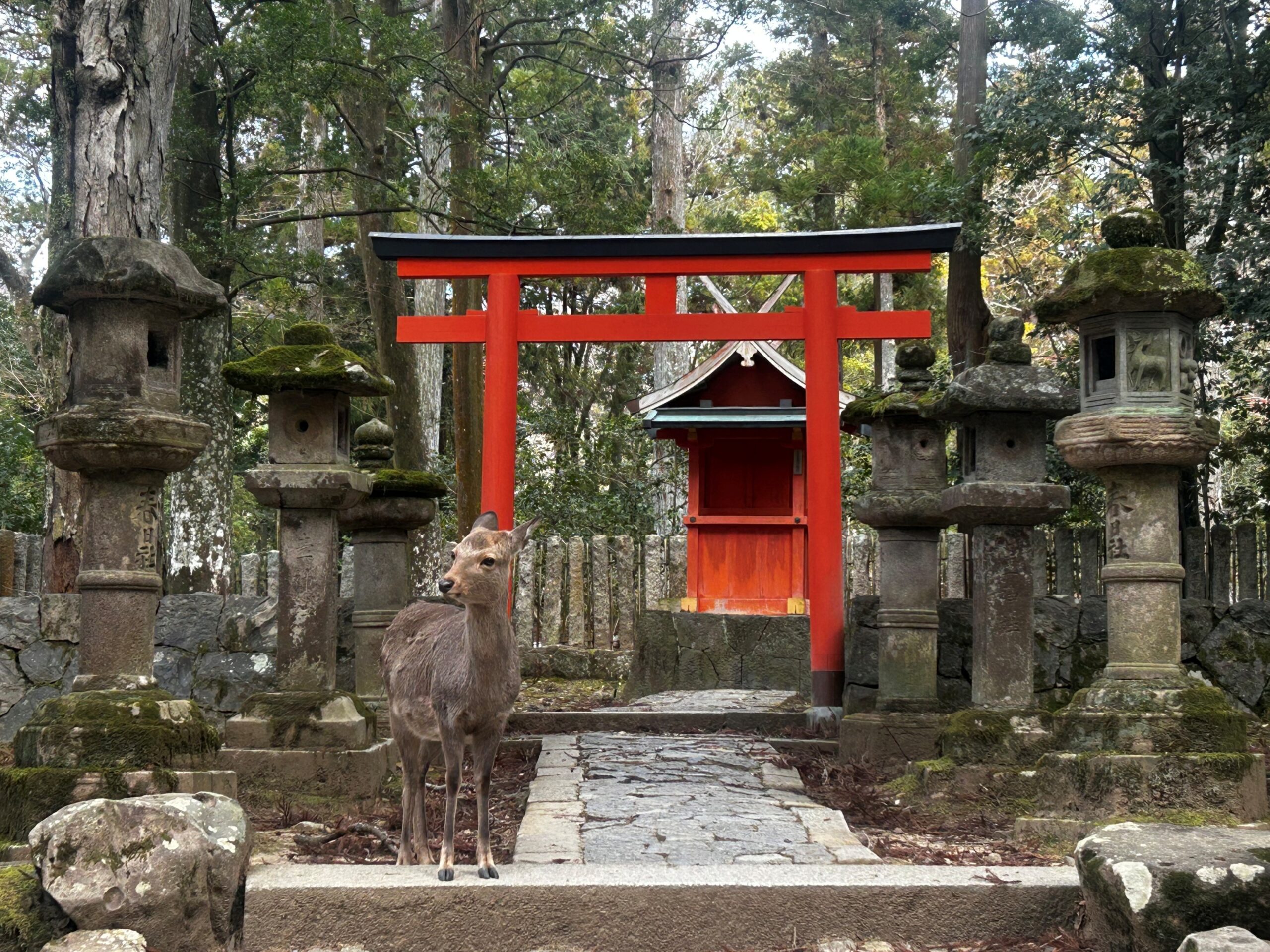
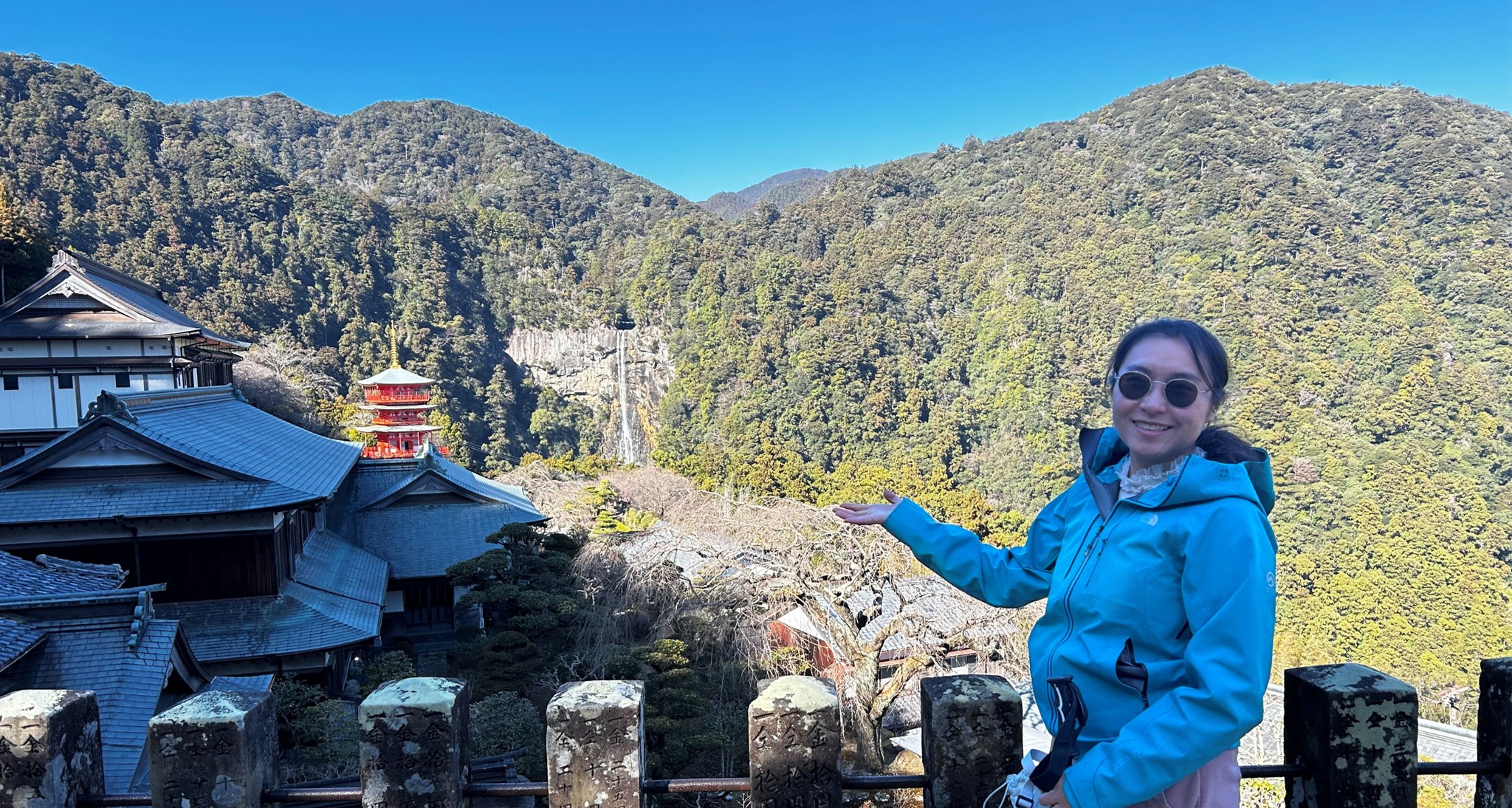
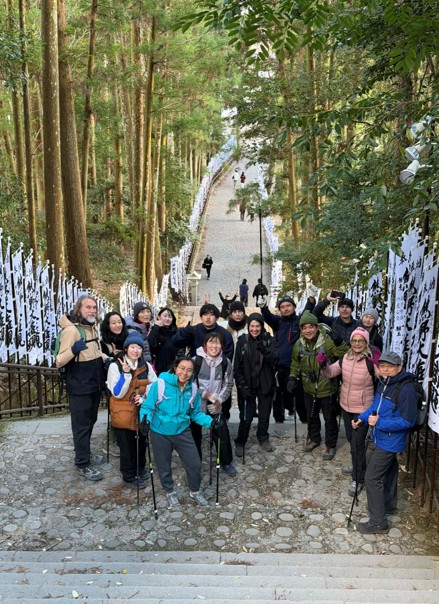
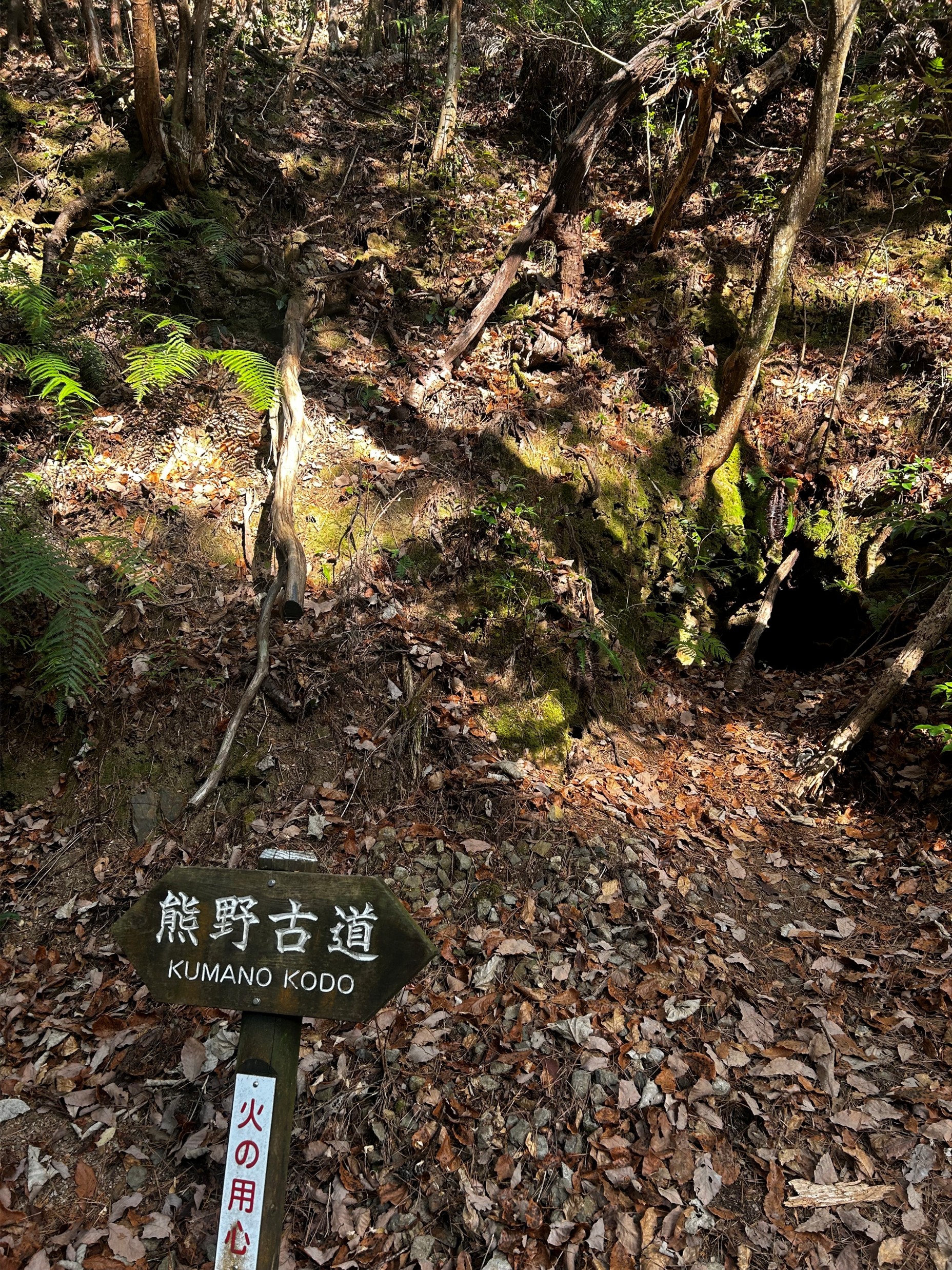
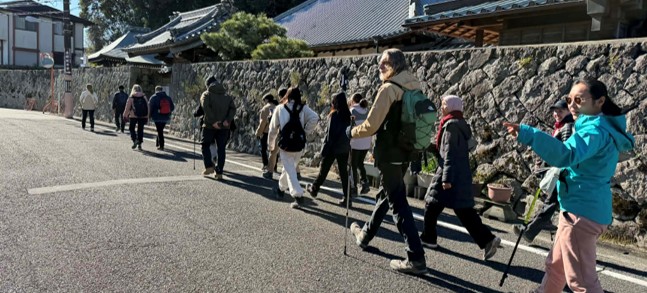
Part of the exchange included a four-day walk along the Kumano Kodo, one of only two UNESCO World Heritage pilgrimage routes in the world. Hiking through cedar forests, ancient stone paths, and mist-covered mountains, the journey was physically demanding yet deeply enriching, shaped by inspiring conversations with international students and academics from Japan, Spain, Australia, and Canada. Led by Professor Kumi Kato, Director of the Sustainability Institute, discussions along the trail centred on environmental conservation, sustainable tourism, and cultural heritage management. Participants also engaged with local community perspectives, examining how spiritual, ecological, and social dimensions intersect within heritage landscapes.
Walking the Kumano Kodo was not simply a field trip but an immersive experience. Together, the group explored not only the ecological beauty of the landscape but also its cultural and spiritual significance, reflecting on how nature, belief systems, community life, and heritage tourism are deeply intertwined.
Fresh snow along the Kumano Kodo trail
Art, Storytelling, and the Extinct Wolves
One of the highlights of the visit was a series of inspiring discussions with communication scholars and creative practitioners. Among them was cinematographer Simon Wearne, an advocate for conservation storytelling that integrates cultural and Indigenous perspectives to deepen human–nature relationships.
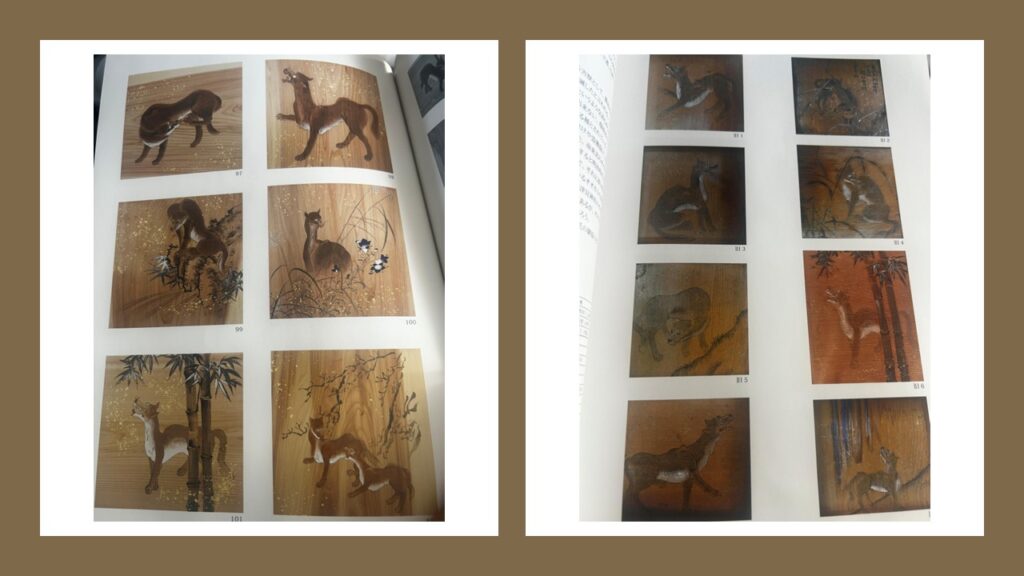
An especially moving example discussed during the visit was the artistic remembrance of the extinct Japanese wolf (Ōkami). Although the Japanese wolf has been extinct for over a century, local communities have painted wolves across the wooden ceilings of Yamatsumi Shrine in Fukushima Prefecture to symbolise coexistence between humans and nature. These ceiling paintings are not merely decorative; they are acts of memory and moral reflection. Through art, communities keep alive stories of ecological loss while imagining alternative futures of harmony. Simon had previously photographed these paintings, and those images later played a crucial role in guiding the restoration of the wooden ceiling artworks after a devastating fire.
For Shu, the story of the Ōkami highlighted the power of storytelling to carry ecological memory across time. It prompted reflection on how conservation narratives are preserved and mobilised to inspire action. In Australia, where the success of private land conservation depends largely on public and policy support, the stories of landholders who dedicate decades to restoring their properties often remain unseen. Creative and culturally grounded approaches may help sustain these legacies beyond individual properties, strengthen broader public connection to private land conservation, and complement existing conservation messaging.
Building Partnerships and New Interdisciplinary Research Pathways
This academic visit strengthened connections with Japanese scholars and opened new avenues for interdisciplinary collaboration, which sometimes begin simply by walking together through forests, across cultures, and into new conversations. As Shu moves toward the completion of her PhD, the journey along the Kumano Kodo serves as a reminder that conservation is not only about ecological management or policy design. It is also about stories, rituals, and the ways communities relate to their place. Integrating cultural heritage, creative arts, and strategic communication may offer powerful pathways to reimagine conservation engagement, both in Australia and internationally.
Leave a Reply